
A Homeowner's Guide to Late Summer Shrub Pruning and Maintenance
As the intense heat of July and August begins to mellow into the cooler, crisp days of approaching autumn, our gardens enter a critical transitional phase. Here in Massachusetts, our landscapes face a unique set of challenges. We swing from hot, humid summers directly into unpredictable autumns, followed inevitably by harsh, heavy winter snows. For homeowners who want to maintain pristine curb appeal and protect their landscape investments, late summer is the perfect time to evaluate the health of your ornamental bushes and start preparing for the seasonal shift.
At B.O.S Landscaping, we know firsthand that the secret to vibrant, healthy spring growth doesn't actually begin in the spring—it begins right now. While many people associate major yard work strictly with spring cleanups, taking a proactive approach in late summer can save you significant time, money, and frustration down the road.
One of the most important tasks to tackle during this window is evaluating your shrubs. Shrubs form the backbone of your property's aesthetic. They provide structure, privacy, and seasonal color. However, without the right care, they can quickly become overgrown, susceptible to fungal infections, or too structurally weak to handle the weight of winter ice. In this guide, we will walk you through the essentials of late summer yard maintenance, focusing on how selective cutting and proper soil insulation can set your property up for year-round success.
Preventing Shrub Disease Through Selective Pruning
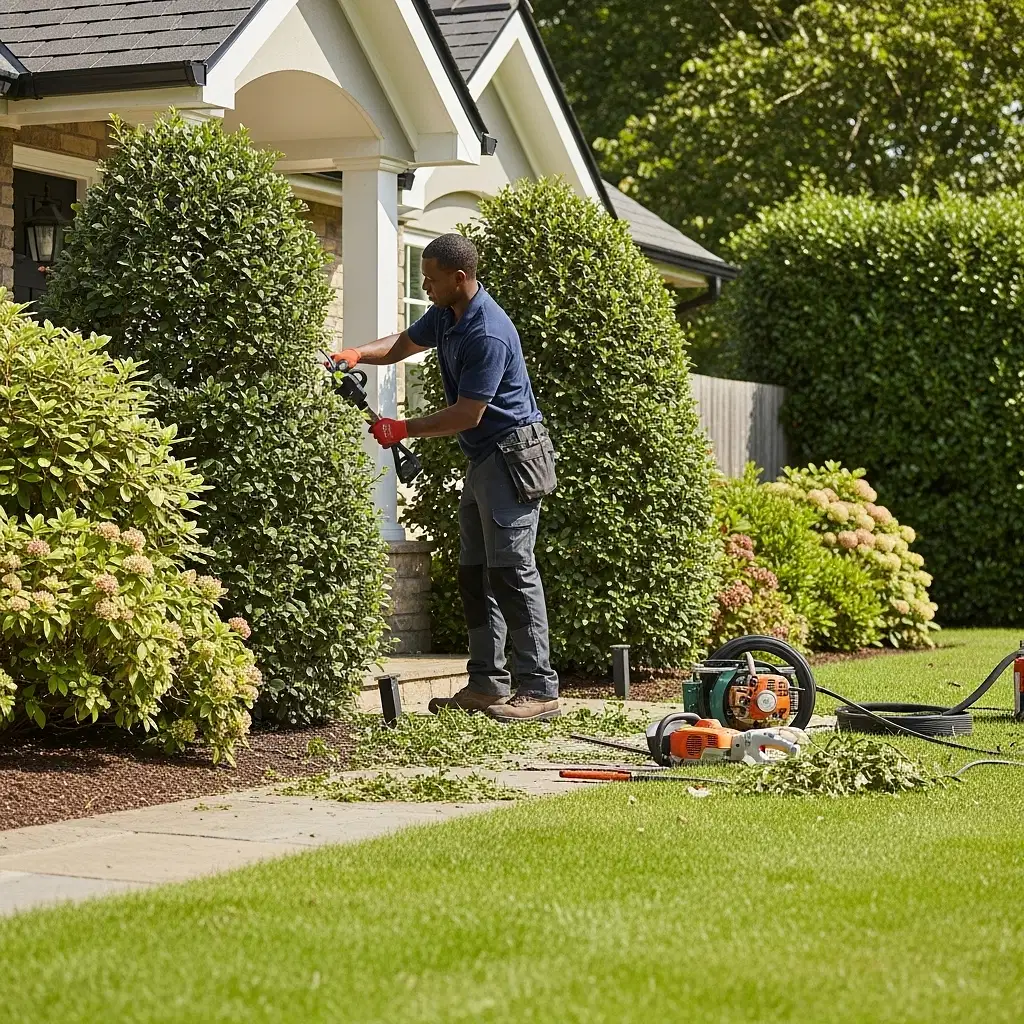
By the time late summer rolls around, your shrubs have spent months expanding. While this lush growth is beautiful, dense foliage restricts airflow and traps moisture inside the center of the plant. In our humid New England climate, this creates the perfect breeding ground for fungal issues like powdery mildew, leaf spot, and various molds.
Preventing shrub disease through selective pruning is one of the most effective ways to maintain the long-term health of your garden. Selective pruning involves carefully removing specific branches rather than indiscriminately shearing the entire plant. By cutting out dead, dying, or diseased branches, you open up the interior canopy. This allows sunlight to penetrate deeper into the plant and encourages proper air circulation, which naturally dries out trapped moisture and stops fungal spores in their tracks.
Furthermore, removing weak or crossing branches is a crucial step in protecting ornamental bushes before freezing weather arrives. When winter brings heavy snow loads and ice storms, weak branches are the first to snap. This not only ruins the shape of the plant but creates jagged, open wounds that leave the shrub vulnerable to pests and disease the following spring. Taking the time to structurally reinforce your bushes now ensures they have the strength to weather the toughest seasonal fluctuations.
How to Prune Flowering Shrubs in Late Summer
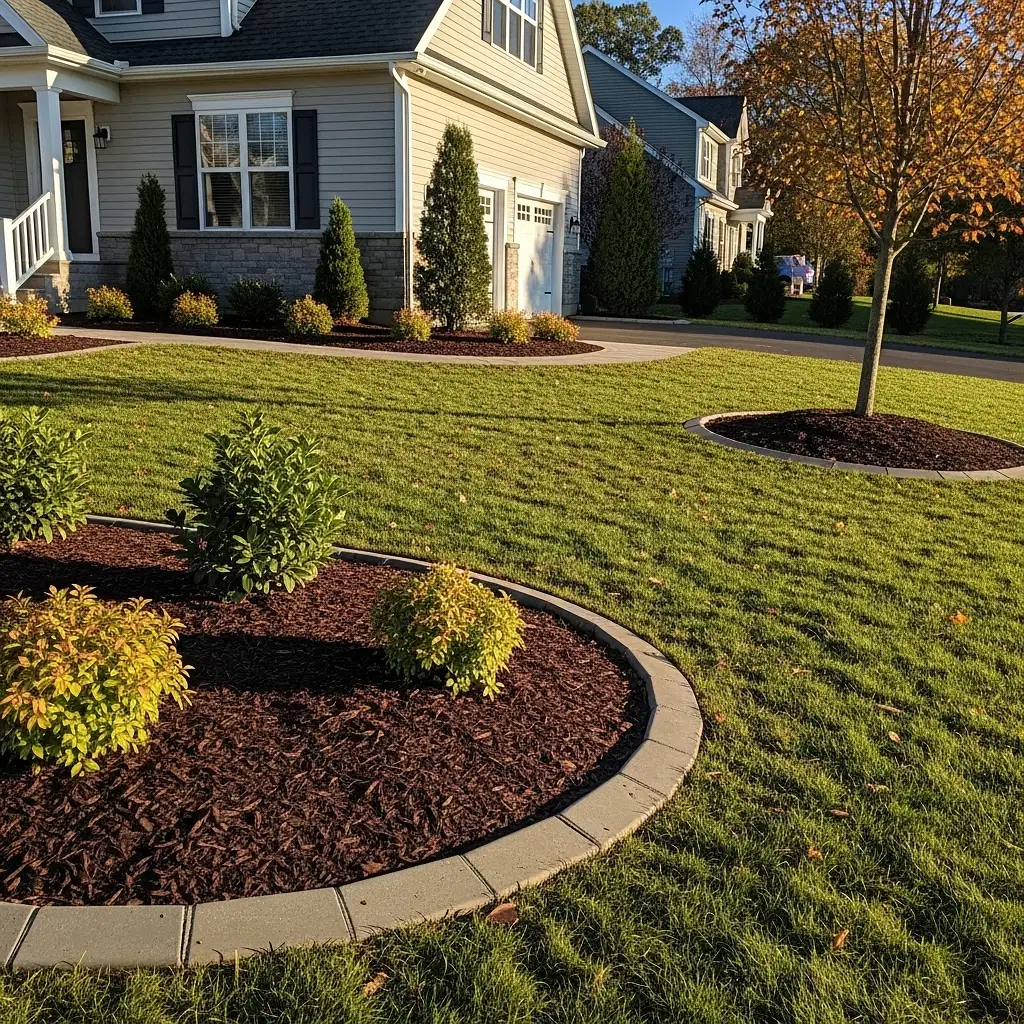
Knowing exactly when and how to prune flowering shrubs in late summer requires a bit of plant knowledge, as mistiming your cuts can accidentally remove next year's blooms. As a general rule, shrubs that bloom in the summer (on "new wood" that grew during the current season) can safely receive some light corrective trimming now. However, you should avoid heavy structural pruning on spring-blooming shrubs (like lilacs or certain hydrangeas), as they have already set their buds for next year.
For those late-summer touch-ups, focus strictly on shaping and health. Use sharp, bypassed pruners to make clean cuts just above a healthy leaf node or bud facing outward. This encourages the plant to grow outward rather than crossing inward. If you are unsure about the specific needs of your garden's varieties, or if the job requires specialized equipment to reach high branches safely, reaching out for professional pruning is always the safest bet. Professional care ensures your plants are trimmed according to their specific horticultural needs, maximizing both their lifespan and their bloom yield.
The Power of Late Summer Mulching
While your pruning shears are doing the heavy lifting up top, you shouldn't neglect the root systems below. The late summer heat can severely deplete soil moisture, leaving roots parched and stressed. This is where a fresh layer of ground cover becomes invaluable.
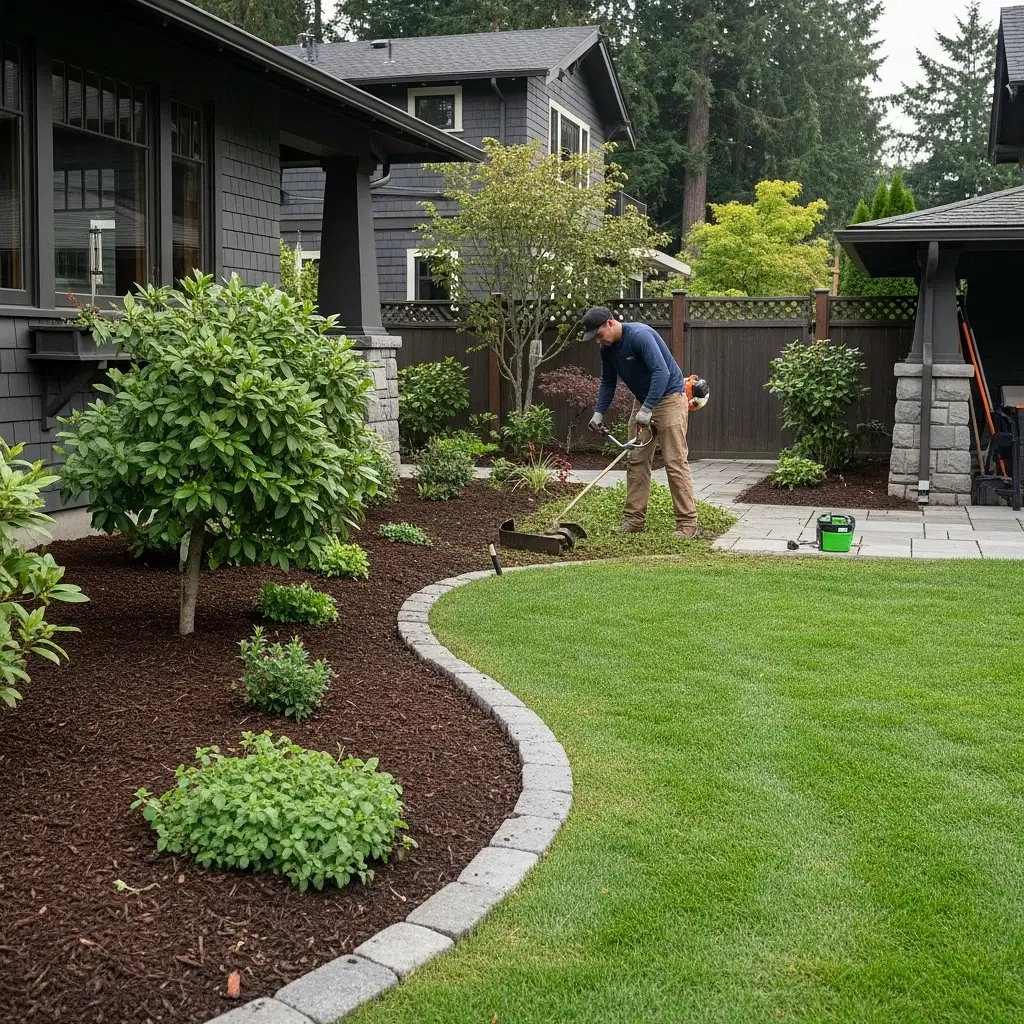
There are numerous benefits of late summer mulch application. First, it acts as a powerful insulator. As the daytime temperatures remain warm but the nights begin to cool, mulch helps regulate the soil temperature, reducing stress on the plant. Second, it aggressively retains moisture, ensuring that any late summer rain is fully utilized by the root system rather than evaporating in the sun. Finally, as the mulch breaks down, it enriches the soil with organic matter, providing a slow-release nutrient boost right before the plants go dormant for the winter.
Whether you are refreshing old garden beds or installing new ones, laying down high-quality mulch is an investment in your property's resilience. It also provides that immediate, clean, high-contrast aesthetic that dramatically boosts curb appeal.
Setting Up Your Yard for Fall Success
Taking care of your ornamental bushes and garden beds in late summer is the ultimate proactive step for a beautiful, stress-free property. By selectively opening up the plant canopies, removing weak limbs, and insulating the roots, you are ensuring your landscape remains healthy, structurally sound, and visually striking no matter what the upcoming seasons bring.
At B.O.S Landscaping, we pride ourselves on helping homeowners throughout the Lawrence area and surrounding communities achieve their dream outdoor spaces. We combine local expertise with a dedication to high-quality workmanship so you can spend less time doing yard work and more time enjoying your weekends.
If your garden is looking a bit overgrown, or if you want to get a head start on your property's seasonal needs, don't wait until the leaves are falling. From detailed trimming to comprehensive spring and fall cleanups, our team has you covered. Contact us today for a transparent estimate and let us help you transform your landscape.