
How to Restore Your Heat-Damaged Lawn Before Fall
If you have spent the summer watching your once-vibrant yard turn brittle, brown, and stressed, you are certainly not alone. The unpredictable Massachusetts weather, characterized by intense heat waves and occasional stubborn dry spells, can take a serious toll on local turf. By the time late August rolls around, many homeowners in Waltham find themselves staring at patchy, struggling grass, wondering if their yard will ever recover its lush green appearance.
The good news is that late summer provides the absolute perfect window of opportunity to revive your yard. As the extreme heat begins to break and we transition into the cooler nights of approaching autumn, your grass is naturally primed for recovery. Taking the right steps now ensures that your root systems can heal, allowing you to establish a resilient, beautiful yard before the winter freeze sets in. Let's walk through the most effective, professional-grade methods to restore your heat-damaged lawn before fall arrives and set the stage for lasting health.
Assess the Damage: Is Your Grass Dormant or Dead?
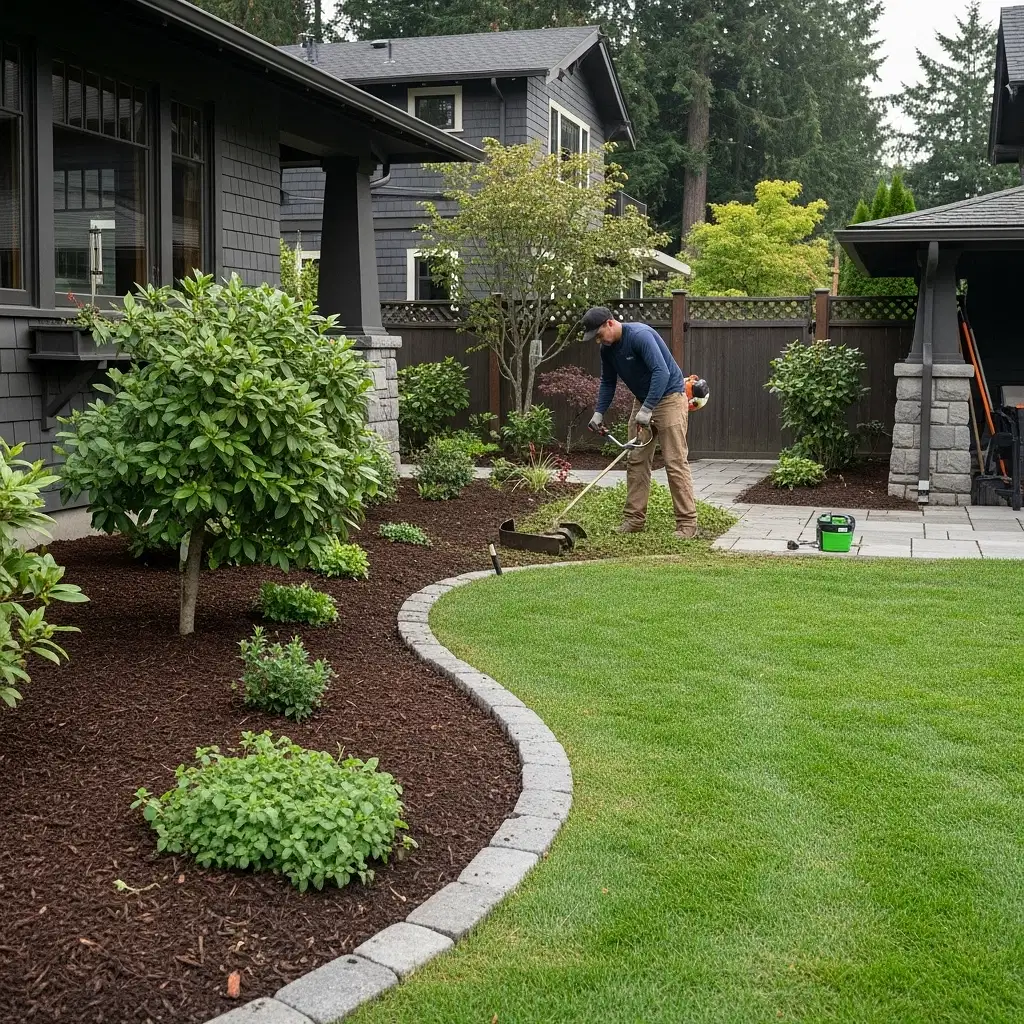
Before taking any drastic action or investing in new materials, it is incredibly important to understand exactly what you are dealing with. During periods of extreme heat and drought, cool-season grasses naturally go dormant as a biological defense mechanism to protect themselves. Dormant grass turns brown on the surface but remains entirely alive at the root level. If you water a small, isolated patch deeply for a few consecutive days and it begins to green up, your lawn was simply sleeping to conserve energy.
However, if the grass remains entirely brown, feels brittle to the touch, and pulls up easily from the soil without any root resistance, you are likely looking at severe heat damage that requires a more proactive intervention. Understanding how to fix patchy grass in MA starts with this crucial diagnostic step.
This is where late summer lawn aeration timing becomes a critical component of your property care strategy. Aeration relieves severe soil compaction caused by heavy summer foot traffic, outdoor gatherings, and baked earth. It allows water, oxygen, and vital nutrients to finally reach the root zone where they are needed most. By aerating as the summer heat begins to wane, you give your yard a chance to breathe and recover without exposing bare, vulnerable roots to scorching midday temperatures. If you need a professional hand managing this delicate balance, establishing a routine of consistent lawn maintenance can take the guesswork out of timing these essential recovery steps.
Preparing Turf for Fall Overseeding
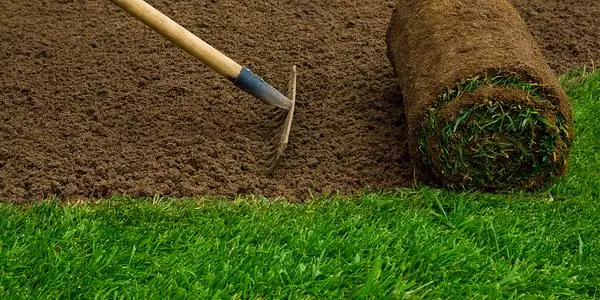
Once your soil has been aerated and can properly breathe, the next logical step in your lawn's rehabilitation is overseeding. Overseeding heat damaged lawns in late summer is widely considered one of the most effective ways to thicken up your turf and naturally crowd out invasive weeds before they have a chance to take hold next spring. During this late summer window, the soil is still warm enough to encourage rapid, successful seed germination, but the progressively cooler air temperatures significantly reduce the environmental stress placed on the fragile new seedlings.
When preparing turf for fall overseeding, you want to ensure that the seed actually makes direct contact with the soil. Simply tossing expensive seed over a thick layer of thatch or dead grass will not yield the lush results you are hoping for. After the aeration process is complete, applying a thin, even layer of organic compost or high-quality topsoil provides the perfect, nutrient-dense bed for new seed to thrive.
Whether you are managing a sprawling suburban yard or maintaining a compact, charming plot behind a classic triple decker, taking these steps seriously will transform your property. Investing in proper lawn renovations right now builds an incredibly strong foundation for next year's growth, saving you time, money, and frustration in the long run.
Smart Watering and Proper Feeding
Throwing down seed and aerating the soil are just the first pieces of the puzzle; your new grass needs consistent support to establish deep, healthy roots. Watering is arguably the most critical factor during this late summer recovery phase. You must keep the newly seeded areas consistently moist, but never heavily saturated or muddy, until the seeds fully germinate and grow to about two inches tall. This often requires short, frequent watering sessions rather than occasional heavy soakings.
Simultaneously, feeding your lawn with a high-quality starter fertilizer will give those young roots the exact nutritional boost they need. Because Massachusetts has strict regulations regarding phosphorus fertilizer applications to protect our local waterways, it is crucial to use compliant, eco-friendly products that nourish your yard without harming the environment. Relying on professional expertise ensures that your lawn gets exactly what it needs, exactly when it needs it, while remaining fully compliant with all local environmental guidelines.
Setting the Stage for a Lush, Healthy Yard
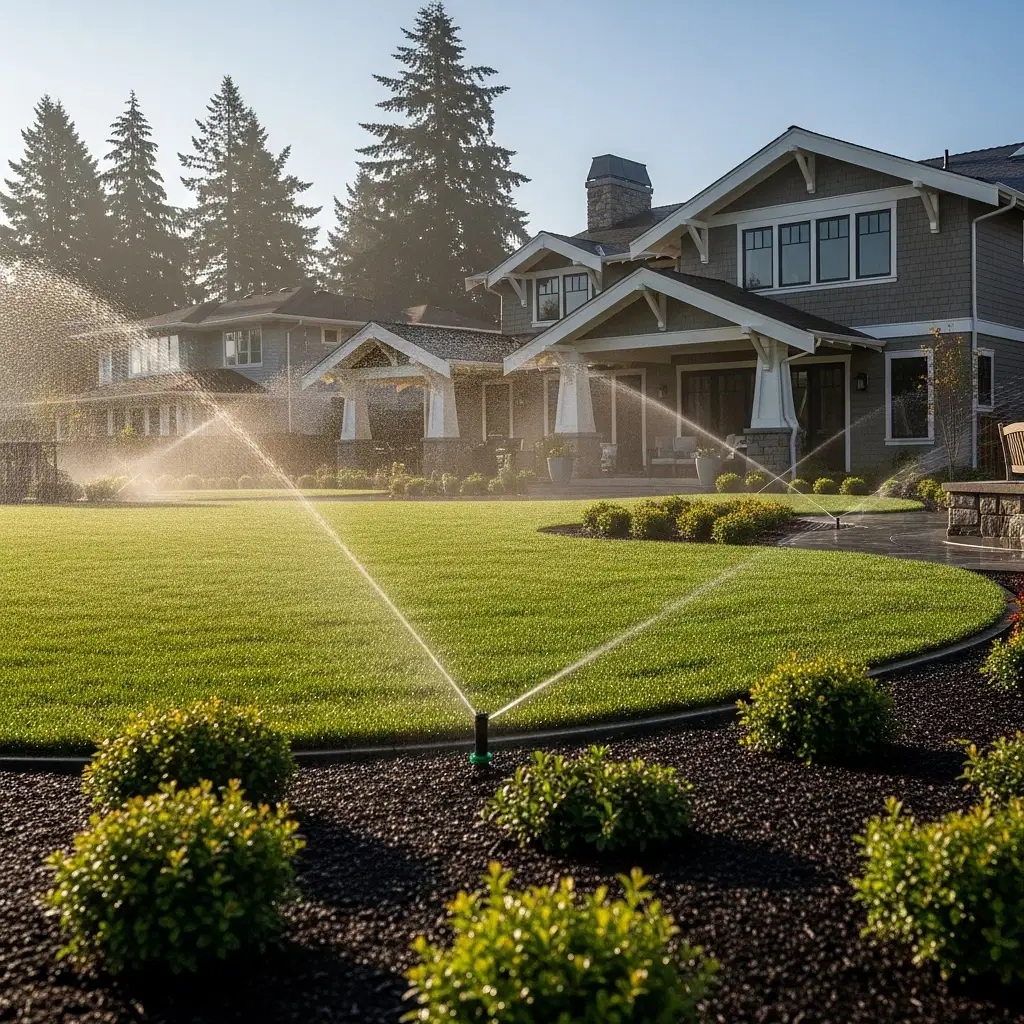
Restoring a heat-damaged lawn is a multi-step process, but the careful work you put in during late summer and early fall pays incredible dividends for your property's value and aesthetic appeal. As the new grass establishes itself and thickens, you will want to shift your focus to keeping the area entirely clear of organic debris. Fallen leaves, twigs, and branches can quickly smother delicate new grass growth, block vital sunlight, and trap excess moisture that invites damaging fungal diseases.
Staying aggressively on top of leaf removal through dedicated spring/fall cleanups ensures your newly renovated lawn gets the continuous sunlight and airflow it needs to thrive right up until the first winter snow falls.
At B.O.S Landscaping, we know exactly how much you value your free time and the curb appeal of your home. We are frequently asked by local homeowners if we offer regular, dependable lawn care and maintenance packages, and the answer is absolutely yes. We handle the heavy lifting, the specialized equipment, and the precise timing so you can simply relax and enjoy your beautiful outdoor space. If you are looking to revitalize your yard in the Watch City this season, our dedicated team of licensed, insured, and highly experienced professionals is here to deliver outstanding results. Reach out to us today to schedule your consultation and give your property the fresh, healthy start it truly deserves.